News From Planet Depos

Stenographic court reporter typing on steno machine at conference table with legal professional next to her.

Court Reporting: An Unfamiliar Industry (Updated)

By Julia Alicandri

The College of Court Reporting once tweeted a comedic photo of a man with a huge smile, standing in front of a whiteboard with a senseless algorithm of letters and numbers on it, and the caption was “Trying to explain court reporting to pretty much anyone.” Similarly, I was talking to a friend about my position here at Planet Depos, and he was trying to understand the concept of the court reporting industry. He asked about seven or eight questions in a row, and it became quite difficult to explain it all. Some of the questions included:

Why do you need court reporters at all?

You need a professionally trained court reporter to record legal proceedings so that the verbatim record is preserved accurately and impartially. If someone isn’t there to document the proceeding, each side will present their own take on what was said. When hiring court reporters in Hong Kong, it is crucial to choose professionals who understand the local legal landscape and terminology. Their expertise ensures that all nuances of the proceedings are captured, which can be vital for the outcome of a case. Moreover, having a reliable court reporter helps maintain the integrity of the legal process, giving all parties a fair opportunity to present their arguments.

Do court reporters work only in the courtroom?

In addition to official court reporters who are employed by the courts and work inside the courtroom, there are freelance court reporters who provide services through the discovery phase of litigation for depositions. Freelance court reporters with appropriate court reporter qualifications for international cases play a crucial role in ensuring accurate documentation of proceedings that often cross borders. Their expertise is invaluable, particularly when dealing with diverse legal systems and languages, which requires a thorough understanding of both legal terminology and cultural nuances. This adaptability not only enhances the quality of the transcripts but also fosters clear communication among all parties involved in international litigation.

Why would an attorney schedule a videographer?

While the court reporter prepares a written record, the videographer will capture body language, intonation, facial expressions, and gestures that cannot be conveyed through the written record. the impact of digital audio on court reporting is significant, as it enhances the accuracy and accessibility of transcripts. By integrating high-quality audio recordings, court reporters can ensure a more complete representation of testimonies. This technology not only supports traditional reporting methods but also opens new avenues for remote proceedings and real-time transcription services. As court reporters in film and television continue to evolve, they play an essential role in bringing legal narratives to audiences. These professionals skillfully blend their craft with cinematic storytelling, ensuring that every word spoken on screen maintains its integrity. The collaboration between filmmakers and court reporters helps to create a more authentic portrayal of legal proceedings, captivating viewers while educating them about the intricacies of the justice system.

Why do attorneys need to hire freelance court reporters?

Can’t they just keep a reporter on their payroll? No. The court reporter is bound by a Code of Professional Ethics to serve as an impartial officer of the court who has no bias, financial or otherwise, in the outcome of the proceedings.

To learn more about court reporting, or to schedule a Planet Depos reporter or videographer, call us at 888.433.3767, or email us at scheduling@planetdepos.com. Understanding the importance of camera angles in video depositions can significantly enhance the clarity and effectiveness of the recorded material. Proper positioning can capture important details and nuances, ensuring that the viewer has a comprehensive understanding of the testimony. By utilizing advanced techniques and equipment, we can deliver high-quality video deposits that meet the specific needs of our clients. The multimedia impact on jury decisions has been increasingly recognized in legal proceedings. Effective use of visual aids and video evidence can sway jurors’ perceptions, ultimately influencing the outcome of a case. As court technology continues to evolve, the strategic integration of multimedia elements will play a critical role in shaping the narrative presented to juries.

By Julia Alicandri The College of Court Reporting once tweeted a comedic photo of a man with a huge smile, standing in front of a whiteboard with a senseless algorithm of letters and numbers on it, and the caption was “Trying to explain court reporting to pretty much anyone.” Similarly, I was talking to a … Read more
READ MORE
Interpreter and witness at a table during an international deposition

Vetting Court Reporters, Videographers, and Interpreters for International Depositions (Updated)

By Neal Price

Retaining certified and highly experienced court reporters, legal videographers, and interpreters when taking depositions abroad will save money and ensure that the proceedings run smoothly. The following questions should be asked of your vendor before a commitment is made: When selecting a vendor, it is essential to inquire about their experience with videotaped depositions for legal proceedings, as this ensures a comprehensive and reliable record of testimonies. Additionally, be sure to ask about their familiarity with the local legal requirements to avoid any potential issues during the process. A well-prepared team can make all the difference in achieving a successful outcome. Understanding the benefits of international court reporting is crucial for ensuring that all legal nuances are captured effectively. With a knowledgeable team, you can navigate through different legal systems and cultures, which can often lead to better outcomes. Properly executed reports can provide invaluable insights and documentation that support the overall case strategy.

Is the team local, or do they need to travel to the location?

One of the first things to consider is whether or not the court reporter, videographer, and interpreter are local to the country in which the depositions are set to take place. If they are not local, will you be charged for airfare, hotel, meals, taxis, travel days and other expenses? Also, non-local teams can be affected by delays or cancellations of flights due to weather, mechanical issues and/or natural disasters.

Do the court reporter and videographer have back-up equipment?

Lost luggage is common and technical difficulties occur. It is of utmost importance that the reporter and videographer have a backup plan if any of their equipment malfunctions or is lost. If someone plugs in a power strip to an outlet overseas without the proper adapter, all of the connected equipment is subject to massive failure. There must be backup equipment close by just in case something like this should occur.  Trying to get a steno machine repaired in remote parts of Taiwan or Sweden is nearly impossible. Having to fly a replacement machine in could take two to three days.

Is the reporter able to provide accurate realtime involving technical terminology including Asian or European proper names and geographical terms, and do they specialize in realtiming complex intellectual property cases? Will they bring multiple laptops to the depositions for attorneys who have connectivity problems in Asia? It is very important for interpreters to also view the realtime feed to make sure that they are interpreting correctly and quickly catch mistakes. Can the reporter provide laptops to the interpreters to facilitate a smooth-flowing deposition?

All of these questions are very important when selecting a court reporter, videographer, and interpreter to cover your depositions abroad. In most cases, clients are very cost-sensitive, and issues that could have been avoided through proper planning and review can be very costly and time consuming. Finding a firm with years of expertise in covering international depositions, like Planet Depos, is paramount in the process. In addition to hiring experienced professionals, understanding videography techniques for legal proceedings can enhance the presentation of your case. High-quality video documentation can provide crucial visual evidence, capturing the nuances of witness testimonies. By prioritizing both skilled personnel and robust videography practices, you can help ensure a successful outcome in your depositions abroad.

For assistance with an upcoming international deposition, contact the experts at Planet Depos by emailing international@planetdepos.com or calling 888.433.3767.

By Neal Price Retaining certified and highly experienced court reporters, legal videographers, and interpreters when taking depositions abroad will save money and ensure that the proceedings run smoothly. The following questions should be asked of your vendor before a commitment is made: When selecting a vendor, it is essential to inquire about their experience with … Read more

READ MORE
Planet Depos legal videographer recording a video deposition

What is a Legal Videographer?

A legal videographer (also called a certified legal video specialist) records courtroom cases, depositions, signing of legal documentation, and films evidence at crime scenes.

While traditional court reporters create a verbatim written transcript of proceedings using a steno machine, legal videographers create a video recording of proceedings. Video captures what the transcript cannot. Video documents facial expressions, long pauses, and other non-verbal cues. This creates a more complete record for judges, attorneys, and litigants.

After the proceedings, legal video specialists edit the recordings with voice-overs to identify witnesses and explain the examinations being watched. The transcript may also be produced from the video, or by a court reporter. Video can be synced to the transcript.

How much do legal videographers make?

According to salary.com, the average salary for a videographer in the United States is $63,747 and ranges between $52,580 and $79,444.

As a legal videographer, your salary can vary depending on different factors. These factors include certifications, level of education, and the number of years you have worked in this profession.

If you are searching for a steady paycheck, try a staff position at a court reporter agency like Planet Depos. If you want to make more money and are willing to take greater risks, become a freelancer.

How to become a legal videographer:

Education

A college education is not required to become a legal videographer. However, an associate or bachelor’s degree in court reporting or legal videography can give you an edge on competition. College classes can teach you the skills you need to be successful. A college education can also be helpful to develop communication skills. Communication skills are vital when working with people in the legal sector.

To become a legal videographer, you need to master videography skills. You must be comfortable with video equipment and software, including editing and voice over. You can gain these skills by volunteering to work with other videographers or by taking videography workshops.

Once you have a strong background in videography, you can register for the legal video specialist certificate.

Steps to complete the legal video specialist certificate

To become a legal videographer, you must earn a legal video specialist certificate. Here are the three steps to becoming certified:

Attend the “Videotape in the Legal Environment” seminar

The National Court Reporters Association (NCRA) sponsors the Videotape in the Legal Environment Seminar. This legal video specialist training is held twice a year in different locations across the country. The seminar covers a wide variety of topics including CLVS Standards for Video Depositions, CLVS Code of Ethics, and a hands-on workshop.

Pass the written videographer test

Register for the written videographer test at one of the 200 different testing locations across the country. This test covers five different areas: professional development and ethics, operating practices, office procedures, post production, legal and judicial procedures, and video recording production. The test includes 100 multiple choice questions. To pass, you must answer at least 70 questions correctly.

Pass the production test

In the production test, you record a deposition that is staged for the test. First, you are given 30 minutes to become familiar with the recording equipment provided. Once the 30 minutes are up, you must record a brief mock deposition. You will be graded on your ability to provide a quality recording of the proceedings.

Job outlook for legal videographers

The use of video in the legal environment is rapidly growing. Job growth for legal videographers is predicted to be above average through 2024.


A legal videographer (also called a certified legal video specialist) records courtroom cases, depositions, signing of legal documentation, and films evidence at crime scenes. While traditional court reporters create a verbatim written transcript of proceedings using a steno machine, legal videographers create a video recording of proceedings. Video captures what the transcript cannot. Video documents … Read more

READ MORE
Planet Depos legal videographer recording a video deposition

Guide to Video Depositions

Video Depositions

What is a video deposition?

A deposition is one of the methods lawyers use to conduct discovery for court cases. During a deposition, lawyers ask witnesses questions under oath. A deponent may have their attorney present. The attorney from the opposing party is also invited.

Usually, a court reporter is present to transcribe the deposition. But video depositions are becoming more and more common. What is a video deposition? A video deposition is a deposition recorded on video. A legal videographer is present and records the deponent.

Video depositions have many benefits. Video adds a new dynamic to discovery. Video presents a compelling case in court. Video can be used in lieu of live testimony. Incorporating technology into legal proceedings can significantly improve the effectiveness of arguments. Enhancing courtroom presentations with videography allows jurors to engage more fully with the evidence being presented. As a result, attorneys can better convey their messages and make lasting impressions on the court.

What are the benefits of video depositions?

Trial preparation

Video depositions are useful for trial preparation. Video captures more than the deponent’s verbal answers. Video records facial expressions, tone and gestures.

Attorneys can review the video and decide whether the witness will make a good impression at trial. Attorneys can also use footage from a video deposition to prepare their witness to testify at trial.

More direct answers

In a video deposition, lawyers often ask fewer filler questions. Witnesses tend to give more straightforward answers. Witnesses avoid saying they don’t know or don’t remember.

More impactful presentation to the jury

Video makes a bigger impact at trial than a deposition transcript. The jury can observe the witness. The jury can see facial expressions, gestures. The jury is able to hear the witness’ tone.

Show injuries and damage

Sometimes plaintiffs cannot make it to court due to injuries they have suffered. Video depositions show the jury these injuries. Video also shows how these injuries affect the plaintiff’s life.

Unavailable witness

Video from video depositions can be used in court in lieu of live testimony, should a witness be unable to appear.

More effectively point out inconsistencies in witness testimony

Video depositions enable lawyers to call attention to any change in witness testimony. Video evidence makes it more difficult for the witness to say they didn’t understand the question. Video leaves little room for misinterpretation.

A video deposition can also help protect a witnesses’ credibility. Video can be played in court if the opposing party tries to misconstrue what the witness said in the deposition.

When should I do a video deposition?

It’s a good idea to use video any time you are conducting a deposition. However, it is especially important when you are deposing key witnesses or experts.

More and more cases are being settled out of court. Video depositions can capture a lie or contradiction in testimony on video. Such evidence can give you the edge you need to win a case or convince the opposition to settle.

International depositions

A video deposition is especially important for deposing foreign witnesses. These witnesses may not be able to travel to the United States for trial. If you want to avoid flying to another country to depose a witness, you can take a remote deposition. A legal videographer can still record the deponent. video techniques for international depositions can enhance the clarity and effectiveness of the testimony provided. Utilizing high-quality video equipment and reliable connection methods ensures that jurors and judges understand the witness’s demeanor and responses. Moreover, these techniques allow legal teams to prepare more thoroughly by reviewing past depositions and tailoring their strategies accordingly.

Book a legal videographer with Planet Depos

Employing a legal videographer ensures your video deposition is recorded accurately.

At Planet Depos, we have court reporters and videographers living in the United States and abroad. Our videographers can help you with video deposition tips. Videographers can help with selecting a room for your video deposition, troubleshooting technical issues, and more. To learn more about our videography services or to schedule a videographer, contact us today.

What is a video deposition? A deposition is one of the methods lawyers use to conduct discovery for court cases. During a deposition, lawyers ask witnesses questions under oath. A deponent may have their attorney present. The attorney from the opposing party is also invited. Usually, a court reporter is present to transcribe the deposition. … Read more

READ MORE
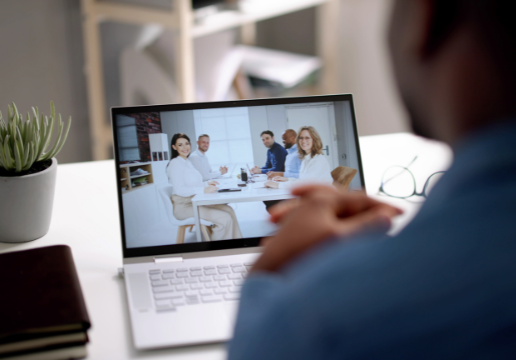
Person attending a virtual meeting on a laptop, showing four people seated at a conference table on the screen.

Legal Videography and the Remote Deposition

If you need video of a witness who is being deposed through remote technology, there is no need to worry that the video quality will suffer. Videographers have been videorecording remote witnesses for years – even from different continents – and technological advances have greatly improved the quality of both picture and audio in remote depositions, thus improving the videorecording. There are also things that you can do to set the stage for the best possible videorecording of your remote deposition, long before the videographer’s read-on. When preparing for a remote deposition, understanding videography techniques for legal settings can be crucial. These techniques involve ensuring proper lighting, minimizing background noise, and choosing an appropriate camera angle to capture the witness effectively. By implementing these strategies, you can enhance the clarity and professionalism of the videorecording, resulting in higher-quality evidence for your case.

The first thing to do for a remote deposition which will be videorecorded by a legal videographer is make sure the Notice of Deposition states that the remote deposition will be videorecorded by a legal videographer. The Notice must state that the deposition is being taken via remote technology, and that a legal videographer will videorecord the testimony. For the deposition to proceed at all, it must be noted accurately. Make sure to schedule a videographer to record the proceeding; the technician is not a videographer. You do want to schedule a technician for the remote deposition as well, to ensure a smooth, continuous connection. The technician also shares and marks exhibits if needed and quietly performs other administrative tasks behind the scenes.

Once the deposition is scheduled, prepare the witness for their closeup. Dark, solid colors are best, as they are serious and not distracting. They also show up better on camera. The witness should be tidy and well groomed, in a quiet, well-lit room. Lighting is very important in a remote deposition, particularly when you have a legal videographer recording the witness. If there is a chance the videorecording will be used at trial, you want the jury to be able to see the witness. For in-person depositions, the videographer will take care of making sure the witness is lit to advantage. In a remote setting, the witness will need to set up their own lighting, so make sure they know: the importance of videography in court cannot be overstated. High-quality video recordings can enhance the clarity of witness testimonies and provide visual context that is often vital to the case. Additionally, a well-produced video can significantly impact the jury’s perception of the witness and the overall trial outcome.

  1. Sit with light in front of you.
  2. Natural lighting works best, so sit facing a window.
  3. Consider a ring light or light cube if you have limited light

No matter how smartly they are dressed, nor how well-groomed they appear, if your witness is in the shadows, they will not look good on camera. Make sure they are both attired and groomed appropriately to be taken seriously, and lit to be seen! Speaking of seeing them, make sure they position their webcam for the best optics – straight on at eye level. They should sit right in the middle of the frame. Make sure the webcam lens is clean! All of these details can be checked on the demo/test with the technician, recommended below.

Now that your witness is set up for the best shot, you need to make sure everyone can be heard.

Clear audio is imperative for the videorecording. Make sure your witness tests all their equipment prior to the deposition, including their microphone, headset, and internet speed. They will need to have at least 3-5 Mbps download speeds for the videoconference deposition. They can quickly check how speedy their internet is at  www.fast.com. They should corral any pets or children as far from the room as possible and close and lock the door. Make sure the witness knows to close all other programs during the remote deposition. This protects their privacy and keeps applications from draining memory and processing power from the computer. A pre-proceeding reboot is a good idea, too.

You should also schedule a demonstration and test with the technician prior to the remote deposition. This is an opportunity to go into as much detail as each attendee wants or needs, go over common issues so they do not happen in your deposition, and get comfortable with the platform. You want to make sure they’ll be able to view and read any necessary documents the technician shares during the deposition, for example. A comfortable witness is better able to focus! Each participant should test with a technician prior to the virtual deposition, from the witness to the deposition interpreter, if applicable.

Consider individual speech patterns. Perhaps your witness speaks clearly and loudly without prompting and needs only the admonition at the start of the deposition to remind them to speak clearly, let the attorneys finish their questions before answering, give verbal answers, etc. But most people will need a little prep before the deposition. Even with so many conducting meetings over the internet, few people are naturals at speaking on camera. You don’t need to morph into Tarantino or anything, just remind them to speak up, slow down, and enunciate. If English is not their first language, consider an interpreter.

The legal videographer will record only the witness’ testimony, no breaks or off-the-record discussions, and no other participants. The legal videographer can give workable tips if the witness’ lighting isn’t optimal, as well as ensure the witness is properly framed. If the video will be shown to a jury, these elements really matter – all distractions are removed from the picture so your witness holds the spotlight. The role of a legal videographer is crucial in capturing accurate representations of depositions and witness statements. Their expertise in handling equipment and creating an unobtrusive environment ensures that the testimony remains the focal point, free from any interruptions. This professionalism can significantly influence the perceived credibility of the witness during legal proceedings.

Your legal videographer captures all the facial expressions, intonations, gestures, and other visual cues that the stenographic record cannot convey. Video can be a persuasive tool for or against your case in court. Video can also be used should the witness not be available to testify in court. All videos are shot in digital format, using professional-grade, high-definition cameras. Video can be synched to the transcript as well. Once your video is ready, you can download it at anytime from the secure repository, along with related transcript and exhibit files. The benefits of legal videography services extend beyond simply capturing the spoken word; they provide a comprehensive perspective on witness demeanor and credibility. This multimedia approach can be pivotal in influencing jury perception and understanding of complex testimonies. Additionally, having a visual record allows legal teams to strategize and prepare more effectively for courtroom presentations.

Planet Depos has been covering depositions and legal proceedings all over the world for over 10 years. Always looking forward, our reporters, videographers, and technical specialists utilize the latest technologies to implement case-winning tools. Our entire team works closely with clients to ensure no detail is missed. For more information on court reporting services, or to schedule your next proceeding, contact Planet Depos at scheduling@planetdepos.com, or schedule online.

If you need video of a witness who is being deposed through remote technology, there is no need to worry that the video quality will suffer. Videographers have been videorecording remote witnesses for years – even from different continents – and technological advances have greatly improved the quality of both picture and audio in remote … Read more

READ MORE
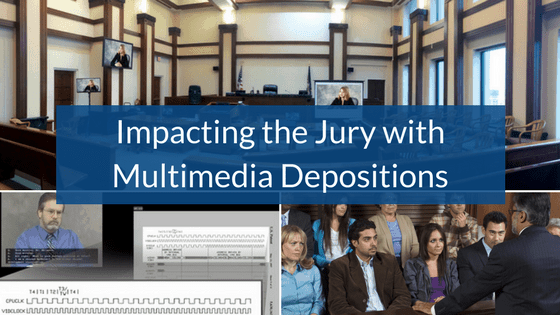
A courtroom with a presentation titled "Impacting the Jury with Multimedia Depositions," featuring images of a jury, a video deposition, and a transcript display.

Impacting the Jury with Multimedia Depositions (Updated)

By Jeremy Dineen

With improvements in technology, it’s becoming more and more common for attorneys to use a projector to display their exhibits at trial so the jury can see and better absorb the testimony that accompanies each exhibit. But when playing back a videotaped deposition at trial, too many attorneys are still treating exhibits the old-fashioned way – discussing the exhibits without showing them to the jury. To ensure that the jury comprehends the evidence presented, it’s essential for lawyers to follow videotaped depositions preparation tips that emphasize clarity and engagement. Properly preparing these depositions not only enhances the presentation but also fosters a stronger connection between the evidence and the testimony. By integrating visual elements effectively, attorneys can significantly improve the impact of their cases. One crucial aspect to enhance the presentation is understanding camera angle considerations for video depositions. Proper camera angles can significantly affect how the jury perceives the testimonies and the evidence being displayed. By ensuring that the exhibits are showcased effectively, attorneys can create a more engaging narrative that reinforces their case.

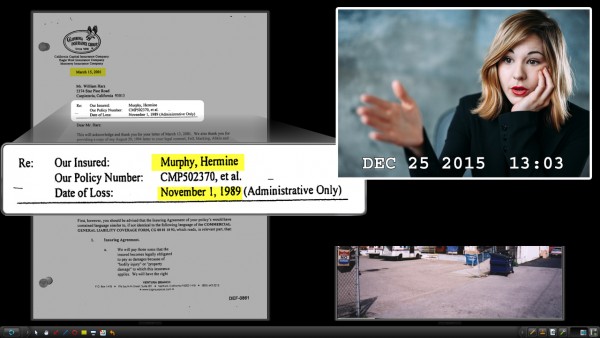
Impacting the Jury with Multimedia DepositionsMultimedia Depositions enable the mixing of documents, other evidence, and/or demonstratives directly into the video record at the time of the deposition. A monitor is set up for the witness so that he or she can view the exhibits at the deposition.  The final product includes the exhibit displayed full screen, along with a picture-in-picture of the witness in the bottom corner. This perspective enables the jury to see the witness’s reaction to an exhibit as they’re reviewing it.

A recent deposition that we covered in New York City illustrates the impact of this technology. The deposition would – in the client’s estimation – make or break his case. The issue at hand was whether the witness’s signature had been forged on certain contracts. The client had reached out a week prior to the deposition to discuss the situation, and we agreed the most useful solution would be to set it up as a multimedia deposition.

Counsel instructed the witness to place his signature on a piece of paper at the deposition, which was scanned with a portable document scanner and then displayed side by side with the contract. On playback, the jury could compare the signatures while the witness testified during review of each contract that the signature was not his. While this technology may not be useful for every deposition, use of multimedia depositions is certainly a very powerful tool in the right scenario.

For more information, contact Planet Depos at scheduling@planetdepos.com or call us at 888.433.3767, and we’ll be more than happy to answer your questions or set you up with a demo.

By Jeremy Dineen With improvements in technology, it’s becoming more and more common for attorneys to use a projector to display their exhibits at trial so the jury can see and better absorb the testimony that accompanies each exhibit. But when playing back a videotaped deposition at trial, too many attorneys are still treating exhibits … Read more

READ MORE
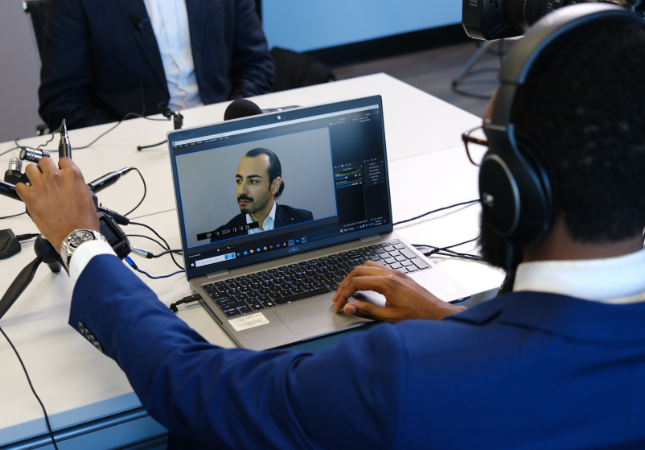
A person wearing headphones edits a video interview on a laptop, showing a man speaking on screen. Another person sits across the table.

12 Important Tips When Preparing For Videotaped Depositions (Updated)

We’re sharing our list of important tips for you when you prepare for videotaped depositions:

  1. Include “Videotaped” in your Notice of Deposition
    • Note in the deposition notice that the testimony will be videotaped, whether it will be for de bene esse purposes and/or whether remote attendance is available. Check your state rules to see if you must include the reason for noting the videotaped deposition and whether it must “replicate presentation of evidence at trial.”
  2. Organize Everything!
    • Organize your materials and the witness’s materials. Case management software is excellent for this purpose and enables document acquisition with just a click of the mouse. Witnesses who can’t locate material quickly appear disorganized and may be unable to respond to questions without long pauses. They may also lose the judge and jury’s attention and confidence in their testimony.
  3. Mock Depositions
    • Consider conducting mock depositions with your witness to help coach them on facial expressions, insecure body language, poor verbal responses, and to help them prepare for potential questions from opposing counsel. The mock depo can be very helpful for a witness to see what they look like on camera, and it can provide them a better understanding of what the actual deposition will be like.
  4. Give Contact Info for Remote Attendance
    • For remote attendance, let the court reporting agency know the name and e-mail address of the attendee so they can receive login credentials well in advance of the proceeding. This will allow the agency to reach out and test the connection in order to avoid delays going on record.
  5. Arrive Early to Get Realtime
    • If you’ve ordered a Realtime feed of the transcript locally or remotely, arrive at least 30 minutes before the scheduled start time to ensure you are connected and receiving the feed before the proceedings begin.
  6. Avoid Bright Colors or Designs
    • The witness should wear solid pastel colors and avoid bright colors or designs that include polka dots, plaids and stripes. These patterns can sometimes be a distraction on camera. If the witness is not comfortable in business attire, be sure he or she dresses appropriately so they look appealing on camera.
  7. Bring Extra Copies
    • Provide all parties digital and/or hard copies of all materials in advance. This will eliminate the need to go off the record to photocopy, scan and/or e-mail the documentation that will be referenced on the record.
  8. Ask the Reporter to Pre-Mark Exhibits
    • Ask the court reporter to pre-mark anticipated exhibits before going on the record. If the deposition will be conducted for de bene esse purposes, work with the electronic trial consultant in advance to be sure the documents that will be digitally referenced and drawn upon during the deposition can be seen clearly on camera and can be saved electronically.
  9. Test Video/Audio Before Going on Record
    • Test all audio and video connections – local and remote – prior to going on the video record to avoid delays and to ensure a clean record.
  10. Prepare Your Objections
    • As Michael A. Vercher wrote in Law Trends & News, “Carefully anticipate and prepare your objections prior to the deposition” since “the tone of your voice and the way you present your objections will be carefully scrutinized by the jury if shown at trial.”
  11. Bring Your Power Cord
    • Have your power cord(s) with you and preferably plugged in for your electronic device(s) to ensure connectivity.
  12. Silence Your Phone
    • Turn off ringtones on all devices and do not respond to phone calls or text and e-mail messages during the deposition as this may interfere with the audio recording.

Finally, be prepared to move through the testimony at the same pace you would at trial. Juries expect the pace to be fast and look forward to it, thanks to both television and technology. Planet Depos Realtime court reporters, legal videographers and tech support team members are available 24/7 to assist you with your videotaped depositions. Utilizing optimal camera angles for video depositions can significantly enhance the clarity and impact of the testimony being presented. Proper positioning not only captures the nuances of witness expressions but also ensures that all parties involved can effectively engage with the material. This level of professionalism helps maintain the jury’s attention and contributes to a more compelling narrative during the proceedings.

We’re sharing our list of important tips for you when you prepare for videotaped depositions: Include “Videotaped” in your Notice of Deposition Note in the deposition notice that the testimony will be videotaped, whether it will be for de bene esse purposes and/or whether remote attendance is available. Check your state rules to see if you must … Read more

READ MORE
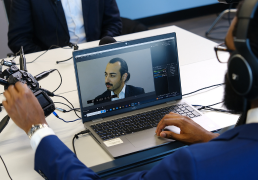
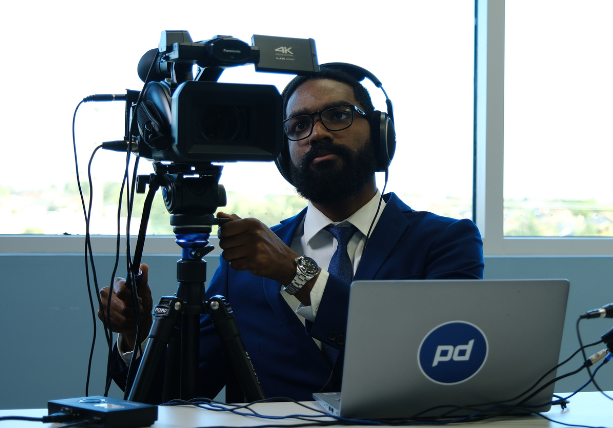
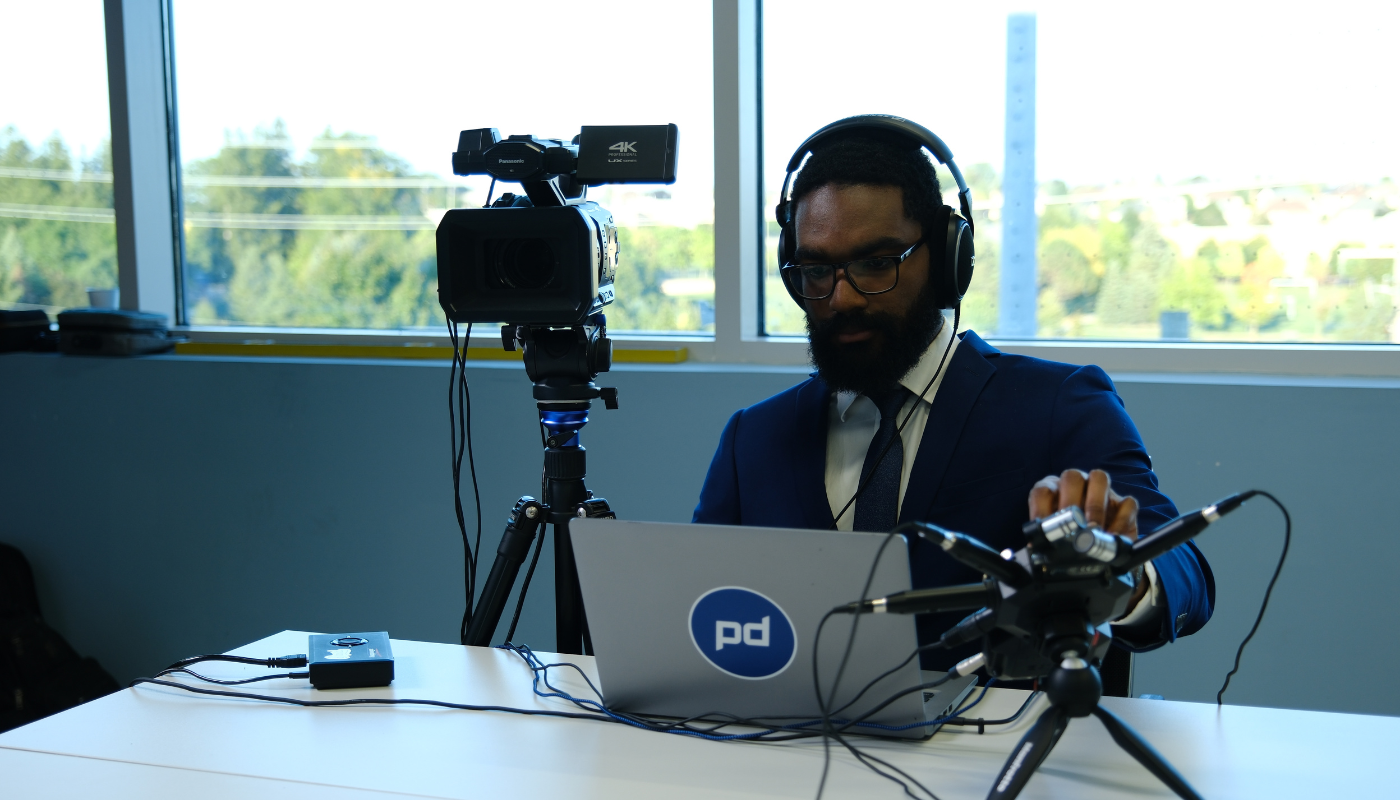
A man in a suit operates a video camera while wearing headphones, seated at a desk with a laptop displaying a "pd" sticker.

The Pros and Cons to Camera Placements in Video Depositions (Updated)

By Danny Terry

Video depositions can be beneficial to your case, as the recording can show the witness’s facial expression and body language, and capture changes in the inflection of the witness’s voice and any pauses before answering. To ensure the best quality video, it’s important to consider the layout of the room where your deposition will take place. There are two primary types of camera placement that are used in video depositions. Understanding the importance of legal videography in trials can greatly enhance the presentation of testimony and evidence. Effective legal videography not only preserves the subtleties of a witness’s demeanor but also serves as a powerful tool for jury persuasion. Furthermore, integrating high-quality video recordings into trial strategy can lead to clearer narratives and more impactful arguments.

Camera Placement - End to End
End-to-End Camera Placement

End-to-End Setup

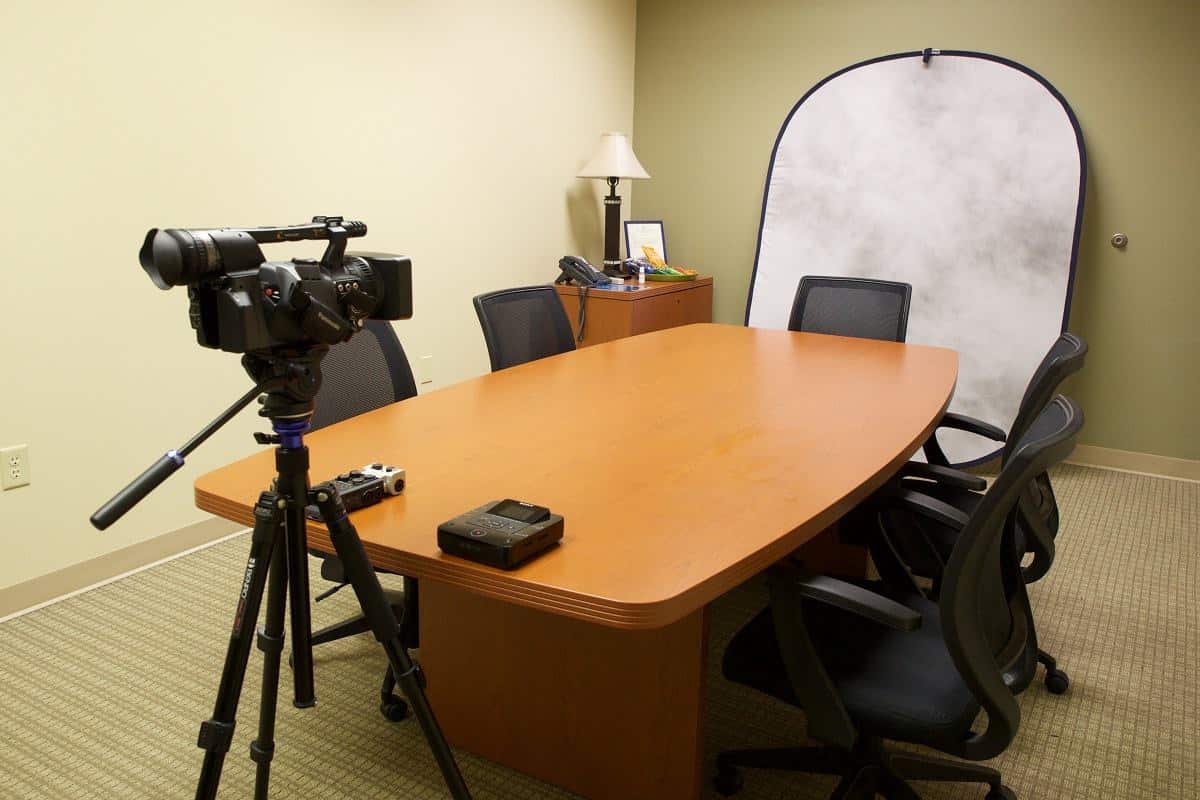
This is the most common setup in a video deposition. The videographer places the camera, audio mixer and backup video recorder at the far end of the table opposite the witness. The opposing attorneys sit opposite each other on either side of the table, and the court reporter typically sits in between the taking attorney and the witness. This setup is crucial for videotaped depositions for trial preparation, ensuring that all parties have a clear view and audio of the proceedings. The skilled videographer captures every moment and nuance, providing valuable evidence for the case. Proper organization and equipment also contribute to the overall effectiveness of the legal strategy. Many legal professionals are now utilizing mobile videoconferencing techniques for depositions to enhance accessibility and efficiency. This allows attorneys to connect with witnesses who may be unable to travel, ensuring that their testimonies can still be recorded and used effectively. Additionally, the flexibility offered by these techniques has become invaluable in adapting to remote work environments. In this setting, vetting specialists for international depositions can be crucial to ensure that all parties understand the proceedings clearly. These specialists help navigate any language barriers or cultural nuances that may arise. Their expertise contributes significantly to the accuracy and reliability of the deposition process.

Pros:

  • Attorneys are on opposite sides of the table, facing each other.
  • Court reporter has a clear view of all parties.
  • The camera can easily zoom in on the witness and exhibits without causing any image distortion.

Cons:

  • If the table is narrow, objects (laptop screens, water bottles, coffee cups) on the left or right side of the table may appear in the video frame.
Camera Placement - Side to Side
Side-to-Side Camera Placement

Side-to-Side Setup

Also referred to as the “California setup” where it is used most often, there may be circumstances where the videographer elects to use this setup for your video deposition. Typically, the videographer would elect to use this setup due to space constraints in conference rooms. Other constraints that might warrant this setup include: issues due to window location, conference room equipment, table location and more. In this setup, the videographer may need to place the witness on the long side of the table with the camera placed directly across the table from the witness. The court reporter will then be placed next to the witness, across from the camera and the attorneys.

Pros:

  • Attorneys from both sides of the case can directly face the witness.
  • The court reporter has a clear view of each attorney.

Cons:

  • Due to the proximity of the witness to the camera, the witness’s head and arms may appear distorted, especially when leaning towards the camera.
  • The composition of the scene will be limited, and it may be difficult to zoom in on any exhibits the witness is holding without causing distortion.

By Danny Terry Video depositions can be beneficial to your case, as the recording can show the witness’s facial expression and body language, and capture changes in the inflection of the witness’s voice and any pauses before answering. To ensure the best quality video, it’s important to consider the layout of the room where your … Read more

READ MORE
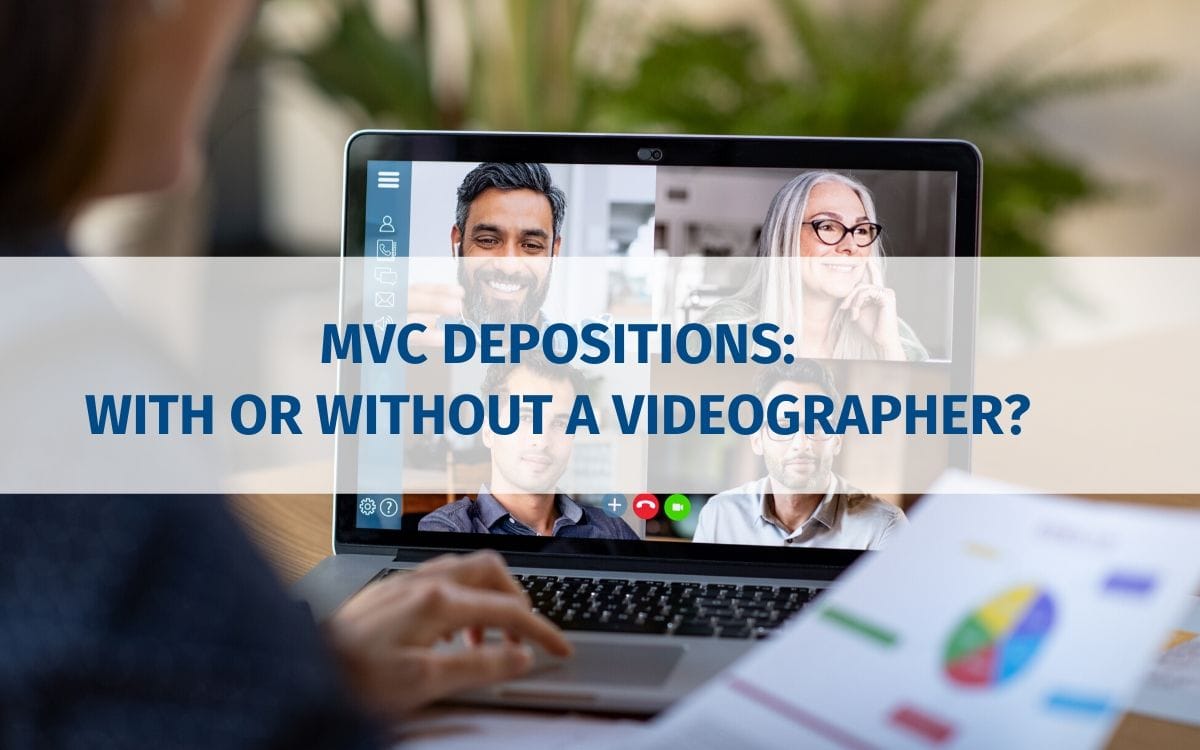
A person participates in a virtual meeting on a laptop with four people on screen, overlaid with the text: "MVC Depositions: With or Without a Videographer?.

The Mobile Videoconference Deposition and the Videographer

Know the difference between a recorded MVC and one with a legal videographer

As you build your knowledge in all things remote deposition, a topic worthy of discussion is mobile videoconferencing (MVC) and videography. Is the deposition automatically video-recorded with the software? Or do you need a videographer?  And where exactly is the videographer, if there is one? With the deponent? In their own home or office? How does video work in an MVC? These are legitimate questions, so, let’s get to them. Understanding international deposition practices in videography is crucial for ensuring compliance with legal standards across different jurisdictions. Each region may have unique requirements regarding video recording, consent, and witness presence, making it necessary to be well-informed. By familiarizing yourself with these practices, you can navigate the complexities of remote depositions more effectively.

Mobile Videoconference Deposition Without A Videographer

First, videoconference software can indeed capture a video recording of the deposition. As you know, when a videographer records a deposition, he/she captures only the deponent throughout the proceedings. In an MVC, if recording using the software only, the recording will look a little different. The tech will “pin” the witness to the screen to record just the witness. But when exhibits are displayed, the documents will be recorded as the main screen, and the witness will appear in picture-in-picture format. Additionally, the recording will not break for off-the-record discussions; those discussions will be included on the MVC recording. One thing the MVC recording will not include? Timestamps. Nor will the MVC recording be synced to the transcript.

Should it be needed at a later date, it is possible to edit and sync the MVC recording. The hours needed to edit the recording would make it cost prohibitive to do so in most cases, however. It is an option, but as always, the expense of the process is a factor to consider carefully when deciding whether to add video to a remote deposition.

Mobile Videoconference Deposition With A Videographer

Now you know how the MVC recording works. What about when you schedule a videographer? Where is the videographer? How do they capture only the deponent on video? what legal videography entails goes beyond just the technical aspects of capturing video; it also involves understanding the legal framework and etiquette necessary for court proceedings. A skilled legal videographer will not only ensure high-quality footage but also maintain the confidentiality and professionalism required in sensitive legal environments. This attention to detail is crucial for creating reliable visual records that can be utilized in legal contexts. As legal proceedings evolve, courtroom technology advancements in Chicago are making significant strides in enhancing how evidence is presented and reviewed. These innovations not only streamline the process but also improve the accuracy of visual records, ensuring that all parties involved can access vital information easily. Furthermore, the integration of advanced audio-visual tools helps maintain the integrity of testimonies while fostering an environment of transparency and efficiency in the courtroom.

Currently, when you schedule a videographer for a remote deposition, the videographer will be remote as well. The videographer will, however, capture the deponent only when they record the video of the remote deposition. On their end of the MVC, they will “pin” only the deponent to the full screen, and with their video camera record the deponent on that screen. When exhibits are shared, the videographer’s screen will still show just the witness. This is not quite the same as a traditional in-person deposition, but it’s pretty close! This video will have timestamps and can be synced to the transcript. It is recommended that if you anticipate needing to present video from the deposition at trial, that you schedule a videographer for your remote deposition.

Planet Depos has been hosting and covering remote depositions for over a decade. If you want more information, or to schedule your own remote depositions, contact us at 888.433.3767 or schedule online.

As you build your knowledge in all things remote deposition, a topic worthy of discussion is mobile videoconferencing (MVC) and videography. Is the deposition automatically video-recorded with the software? Or do you need a videographer?  And where exactly is the videographer, if there is one? With the deponent? In their own home or office? How … Read more

READ MORE
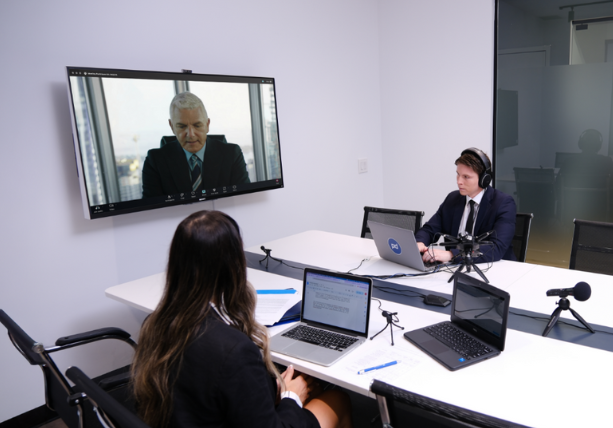
Two people sit at a conference table with laptops and microphones, video conferencing with a man displayed on a large wall screen.

What To Consider When Selecting A Room For Your Video Deposition

By Debby Cavazos

When setting up a video deposition, there are several important components to consider. The first order of business is determining your client’s availability, as well as that of opposing counsel. Other considerations include preparing your exhibits and questions, organizing your cross-examination, scheduling a court reporter and videographer, and the list goes on! One item commonly overlooked is the room itself. As a videographer on the job, I’ve seen firsthand the impact a room can have on your deposition. Let me discuss the four important factors to consider for a successful videotaped deposition. Among the key videotaped deposition preparation strategies, ensuring proper lighting and audio setup is crucial for clear visibility and sound quality. Additionally, it’s important to conduct a mock deposition in the chosen room to identify any potential distractions or obstacles that could arise during the actual session. Taking these steps will help create a professional and effective environment for your videotaped deposition.

Lighting:

Lighting is important for many reasons. Not only can it impact the quality of your footage, but it also sets the tone for the deposition. The darker the room is, the harder it might be for some people to read exhibits that are presented. An overly lit room can also trigger headaches for some.

Are there large windows in the room? This can also have an impact on the quality of your footage because sunlight changes throughout the day. If the deposition is scheduled for several hours, consider how natural light will change on camera throughout the depo.

Noise levels:

Noise can impact the quality of the audio. Is your room full of windows? Traffic sounds such as car horns, if loud enough, can be picked up on the audio. This can also prevent the witness and reporter from hearing the questions you ask and causing disruptions in the deposition. Be cautious of interior sounds, as well, such as loud air conditioning systems, which can be picked up by the mics, creating a hissing effect on the video record.

Outlets:

Outlets are necessary for your deposition! You’ll need plenty of outlets for the court reporter, videographer, and attorneys. Some rooms have limited outlets or have outlets that are completely out of reach. Too many wires on the floor can be dangerous if someone trips over them or if they are accidentally unplugged during the depo. This might sound silly, but make sure your outlets work; many offices have tables with built-in outlets that do not work.

Size of the room:

Last, but not least, the size of the room is critical! You’ll want all parties to be comfortable and have enough space for their personal items. Reporters and videographers carry a good bit of equipment; they take up a fair amount of space as it is.  Keep in mind the amount of exhibits that are handled, as well. A room that is too crowded not only makes it uncomfortable for the participants, but it can also cause the room to get warmer. Alternatively, if you have a small group in a large room it can be chilly.

Consider each of these components in your planning to get the best quality video deposition!

Our court reporters, legal videographers, and trial services consultants are available 24/7 to assist you with your video depositions. Reach out to us at video@planetdepos.com or call 888.433.3767. what legal videographers do professionally involves capturing high-quality video recordings that ensure clarity and precision in legal proceedings. They work closely with attorneys to create visual documentation that accurately reflects testimony and enhances the trial’s presentation. This integral role not only aids in evidence preparation but also provides an invaluable resource for future reference. Implementing effective video deposition strategies can significantly enhance the clarity and impact of your case. Our team is well-versed in cutting-edge techniques to ensure that your depositions are not only recorded accurately but also presented in a way that engages the viewer. With our expertise, you can focus on preparing your case while we handle the technical details.

By Debby Cavazos When setting up a video deposition, there are several important components to consider. The first order of business is determining your client’s availability, as well as that of opposing counsel. Other considerations include preparing your exhibits and questions, organizing your cross-examination, scheduling a court reporter and videographer, and the list goes on! … Read more

READ MORE
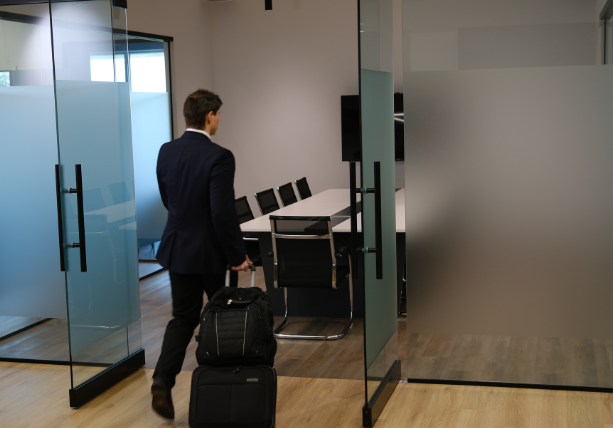
A person in business attire enters a conference room pulling a suitcase and carrying a backpack. The room has a table, chairs, and glass walls.

What Makes a Deposition Suite Awesome for You? Part 1: Greenbelt, MD

By Suzanne Quinson and Julia Alicandri

At Planet Depos, our employees constantly strive to improve themselves and our company. To better the PD experience for our clients, we recently inserted tablets throughout our offices to get quick and reliable feedback directly from clients. The requested feedback includes topics such as the professionalism and friendliness of our employees, the ease of use of videoconferencing, the comfort of our modern conference rooms and, of course, the never-ending supply of snacks!

So, what did our clients list as the most important amenities to making an awesome deposition suite? In our Greenbelt, Maryland office, the most popular responses were:

  1. The free conference room
  2. Professional and courteous service
  3. The snacks

Modern Conference Rooms

A complimentary conference room is already a plus, as it saves the client an additional expense. The capabilities and amenities of the conference room should further elevate its value. Videoconferencing capabilities, for example, are an asset, as remote parties can attend the deposition without incurring any additional travel expenses. It is possible the reporter can stream realtime to remote parties, as well. Check with your agency’s scheduling department about this option. Another option, which is a bit lighter on the budget, is the use of mobile videoconferencing, and the videographer can double as a technician to monitor the connection.

Professional and Courteous Service

A professional and courteous host (and/or videographer) is an essential advantage during your depositions. He or she should be available to help with any troubleshooting, copy or printing needs, and even ordering lunch for your group. Your host should ensure that everything is handled quickly and conveniently for you, so all you need to focus on is your case. Having effective videotaped deposition preparation strategies can significantly impact the quality of the recorded testimony. Proper planning ensures that all parties involved understand the process, leading to clearer communication and more accurate representations of the witness’s statements. Additionally, leveraging technology and resources can further enhance the deposition experience for both the legal team and the deponent.

The Snacks

What is a deposition without snacks? With depositions potentially consuming a significant portion of your day, it is important to know that you and your clients won’t go hungry. Your agency should ensure that a sufficient a supply of snacks is available.

There you have it, the top three most important items that make our Greenbelt, Maryland office awesome, according to you, our clients. And be on the lookout for additional parts of this series where we examine the most important amenities at our other locations!

For more information, or to schedule with Planet Depos, call 888.433.3767 or email us at scheduling@planetdepos.com.

By Suzanne Quinson and Julia Alicandri At Planet Depos, our employees constantly strive to improve themselves and our company. To better the PD experience for our clients, we recently inserted tablets throughout our offices to get quick and reliable feedback directly from clients. The requested feedback includes topics such as the professionalism and friendliness of … Read more

READ MORE
A person wearing headphones edits a video of a man speaking, displayed on a laptop screen, at a desk with microphones and recording equipment.

Presenting and Recording Evidence During a Deposition

By Zack Arnson-Serotta

Lawyers and their support staff are usually familiar with basic trial technology. However, they don’t always consider the possibilities offered by using these technologies earlier – in the deposition setting. With some advance preparation, it is possible to present documents, pictures, videos and other evidence to impeach a witness and capture his or her reactions. These recordings can be an extremely valuable tool during trial or settlement negotiations. Incorporating videography in international litigation can further enhance the persuasiveness of a legal case. By effectively documenting testimonies and interactions, lawyers can provide compelling visual evidence that transcends language barriers. This innovative approach not only enriches the presentation of evidence but also engages jurors and judges on a deeper level.

A lawyer recently called with a special request for his video deposition. He wanted to record video of the witness with certain exhibits on screen at the same time using picture-in-picture technology. In this instance, the attorney wanted to show excerpts from a set of hundreds of documents and videos, do highlights and call-outs, and play videos. For this, we recommended sending a videographer who was also a certified hot seat trial technician and could use TrialDirector to present these materials on multiple screens throughout the conference room. The videographer’s expertise was crucial as camera angles impact on video clarity significantly. By carefully selecting the right angles, the visual presentation was enhanced, making it easier for the jury to comprehend the evidence being shown. This attention to detail not only improved the overall video quality but also ensured that the critical elements of the deposition were highlighted effectively.

I flew out to the job site and, using the Interactive Media Display Package and TrialDirector, was able to Make It Happen for our client, who commended me and the Planet Depos team behind me for our diligent work. At the end, the client received a high-quality synchronized video deliverable with picture-in-picture, and opposing counsel even expressed interest in using the same technologies at another time. Given adequate preparation time, such video depositions are extremely effective tools for combining evidence and deposition testimony in a compelling package that highlights a witness’ live reactions. As part of the process, we conducted videotaped depositions for legal proceedings to ensure every aspect of the testimony was captured accurately. This meticulous approach not only enhances the clarity of our presentations but also allows jurors to engage with the material more effectively. The combination of high-quality visuals and sound elevates the overall impact of the case significantly. The mobile videoconference deposition benefits not only streamline the process but also allow for greater flexibility in scheduling, reducing travel costs for all parties involved. Clients can participate from the comfort of their own locations, making it easier for them to engage fully in the testimony. This innovative approach ensures that all voices are heard, regardless of geographic barriers, ultimately strengthening the integrity of the deposition process.

A subsequent deposition in the same case not only used these same technologies, but video and realtime streaming were added as well. No sweat for the Planet Depos team!

For more information on trial technology, contact Planet Depos at 888.433.3767 or video@planetdepos.com.

By Zack Arnson-Serotta Lawyers and their support staff are usually familiar with basic trial technology. However, they don’t always consider the possibilities offered by using these technologies earlier – in the deposition setting. With some advance preparation, it is possible to present documents, pictures, videos and other evidence to impeach a witness and capture his … Read more

READ MORE