News From Planet Depos

A woman with long dark hair wearing a black blazer poses against a blue gradient background. Text reads: "Kristina Tan, CCR." She specializes in traveling for international depositions.

Kristina Tan, CCR, Joins Planet Depos as Director of Reporting Technology

Global Court Reporting Firm Expands Reporting Technology Leadership

WASHINGTONJan. 26, 2026 /PRNewswire-PRWeb/ — Planet Depos, the largest independently-owned global provider of court reporting and litigation technology, is excited to welcome Kristina Tan as the Director of Court Reporting Technology. Her return to Planet Depos marks a meaningful full circle moment, as her professional journey in court reporting began with the company more than a decade ago.

Kristina was first introduced to Planet Depos while completing her court reporting education at South Coast College in California, where she was one of the first participants of Planet Institute, the company’s hands-on mentorship program designed to prepare students and recent graduates for real-world reporting. After completing Planet Institute in a matter of weeks, Kristina partnered with Planet Depos and started reporting in Virginia. What began as a one-year commitment evolved into a long-term career, leading her to establish permanent roots in Richmond, VA, where she currently lives with her husband, Chris, and two pet birds: Sunny, a cockatiel, and Kiwi, a quaker parrot.

“Planet Depos played a critical role in my development as a court reporter,” said Kristina. “From shadowing reporters to learning how a court reporting agency operates behind the scenes, those early experiences shaped how I approach this profession to this day. Planet Institute helped bridge the gap between school and reporting for me, and I’m incredibly excited to now be able to bridge the gap between reporters and rapidly evolving technological advancements.”

Throughout her reporting career, Kristina remained deeply involved in education and technology. She previously served as a resource coordinator, supporting students and working reporters, and became an authorized Eclipse trainer, a role she has held even longer than she has worked as a court reporter. She has presented at both national and state levels and is widely recognized for her ability to translate complex technology into practical, reporter-focused solutions.

In her new position, Kristina will focus on supporting Planet Depos’ nationwide network of freelance court reporters, helping them leverage technology to expand their technical abilities, elevate performance, and push their skills to new levels. She will also oversee a dedicated internal scoping team and work closely with other departments to align reporting technology with operational and client needs.

“Kristina brings a unique combination of firsthand court reporting experience, educational leadership, and deep technical expertise to Planet Depos,” said Sandra Wilson, CSR (CA), FPR, CER, CDR, Vice President of Litigation Technology. “Her ability to collaborate across teams while supporting reporters’ needs is crucial as we continue to innovate for both court reporters and our clients.”

About Planet Depos

Planet Depos is the largest independently-owned global provider of court reporting and litigation technology. Headquartered in Washington, D.C., and led by industry experts with decades of experience, Planet Depos is committed to providing best-in-class court reporting service with 24/7/365 support. At the forefront of innovation, Planet Depos partners with clients to streamline proceedings through industry-leading, proprietary technology and the integration of artificial intelligence. Visit planetdepos.com to learn more and schedule your next legal proceeding.

Learn more about Planet Depos

Follow Planet Depos on LinkedIn

Read our blog

Media Contact

Delma Lara, Planet Depos, 1 888.433.3767, contact@planetdepos.complanetdepos.com

Brittany Jones, Planet Depos, contact@planetdepos.complanetdepos.com

Global Court Reporting Firm Expands Reporting Technology Leadership WASHINGTON, Jan. 26, 2026 /PRNewswire-PRWeb/ — Planet Depos, the largest independently-owned global provider of court reporting and litigation technology, is excited to welcome Kristina Tan as the Director of Court Reporting Technology. Her return to Planet Depos marks a meaningful full circle moment, as her professional journey in court … Read more

READ MORE
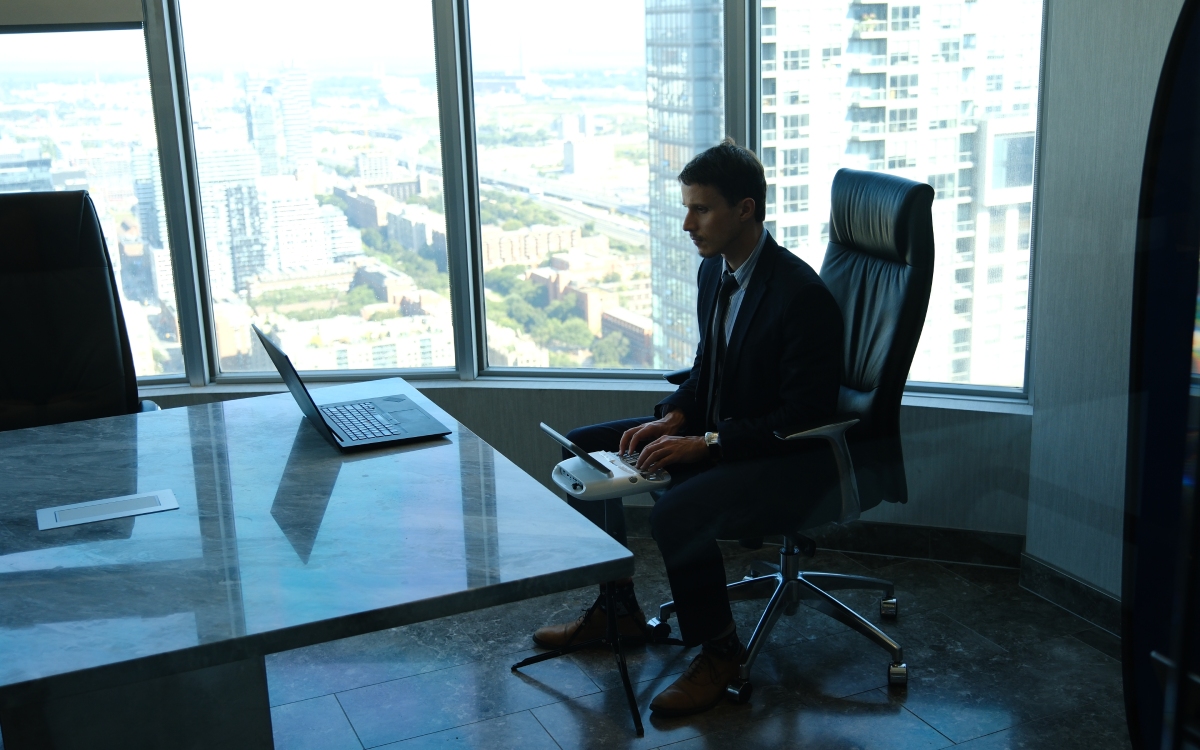
A woman types on a stenotype machine at a desk with the text overlay, "WHAT'S SO GREAT ABOUT A REALTIME FEED?.

What’s So Great About a Realtime Feed?

So, what’s so great about realtime court reporting? A beneficial tool for attorneys, realtime allows counsel to view the proceedings in realtime. Realtime reporting is the instant conversion of the reporter’s stenotype (shorthand) into plain English. As quickly as the court reporter can enter stenotype strokes, the jargon is translated to English and transmitted to counsel and their litigation teams – and the parties need not even be present!  Realtime can be streamed to remote participants as well.

Realtime is really a neat feature. Pretty much, poof! there it is! The written record of the proceedings in realtime means that testimony can easily be noted for follow-up, and inconsistencies flagged immediately for clarification during the proceedings. All of this can be done without disrupting the flow, such as when the reporter is asked to read back the record, etc. Realtime keeps the deposition running on time!

For additional convenience, some realtime software includes a sly little instant messaging feature. Did an answer to a question inspire a new strategy or line of questioning? Immediately pose that strategy to your team, in complete confidentiality, via this messaging feature. This discreet capability means fewer or shorter breaks, again keeping the deposition moving along at a good pace. If you want to use this messaging feature and aren’t sure if the program you’re using offers it, check with the court reporting agency.

Behind the Realtime Screen

Quality realtime is an exceptional skill. Reporters able to provide usable realtime have worked diligently on this craft, honing their ability to speedily process information, as well as mastering the technology involved. Not only that, an expert realtime reporter has built a full “dictionary,” or steno-matching system, composed of common words, names and subject-matter terminology. This diligence, focus, and technical know-how enable the reporter to deliver an instant, verbatim record at near-perfect accuracy.

The more terminology relevant to the case that is crammed into this powerful word log, the better! This is one of the (many) reasons court reporting agencies ask for case-related materials in advance of the depositions. The more technical the case, the greater the value of these “prep materials” and the more you should send! Send copies of notices, any previous transcripts in the case, copies of patents, complaints and corresponding answers, etc. It’s all about packing that dictionary chock-full of the terms that will provide the best realtime for your depositions.

Quality Realtime = Seamless Interpretation

Not only are these prep materials of immense benefit to the court reporter, but they also help to better prepare the interpreter, as the interpreter oftentimes is following along with the realtime to do their job. With the record scrolling in front of them, the interpreter doesn’t need to ask counsel to repeat a question quite so often. If there is a check interpreter present and they too are provided realtime access, it can reduce the number of re-interpretations. This access results in still fewer interruptions to the deposition, a smoother overall proceeding, and a cleaner transcript.

As mentioned in the dictionary discussion above, prep materials are beneficial to the court reporter and to the interpreter. Whether or not realtime is to be provided, any materials that will be useful to the interpreter in preparing for the depositions should be sent as early as possible. The effects are enormous when an interpreter is adequately prepared for depositions, particularly depositions in highly technical matters. Sadly, the reverse is also true – an under-prepared interpreter can dramatically affect the flow and speed of the deposition. Make sure prep materials for your interpreter are plentiful and prompt!

Anyone Authorized can follow Realtime – Anywhere!  Almost.

Is your deposition taking place in New York, and you want your colleague in Vienna to follow along? Are you in Taipei deposing a witness and want your paralegal back home in Denver to have realtime access? No problem! Realtime can be streamed to remote participants anywhere. Given the possible time differences involved, the remote parties can even follow along with the realtime feed from the comfort of their homes, or while sitting in a café in picturesque Prague!

Planet Depos has been providing realtime court reporting for more than 10 years. With offices and reporting teams worldwide, Planet Depos is uniquely positioned to make realtime happen wherever you need it. For more information on realtime reporting, or to schedule your deposition email us at scheduling@planetdepos.com or call 888.433.3767.

So, what’s so great about realtime court reporting? A beneficial tool for attorneys, realtime allows counsel to view the proceedings in realtime. Realtime reporting is the instant conversion of the reporter’s stenotype (shorthand) into plain English. As quickly as the court reporter can enter stenotype strokes, the jargon is translated to English and transmitted to … Read more

READ MORE
September 16, 2025

Eat, Pray, Love, Balance

Presenter:

Jennifer L. Wielage, CRR, CCR, RPR, Freelance Court Reporter and Certified Life Coach at RainbowBalance.org

Eligible for 0.10 CEUs

Presenter: Jennifer L. Wielage, CRR, CCR, RPR, Freelance Court Reporter and Certified Life Coach at RainbowBalance.org Eligible for 0.10 CEUs

WATCH NOW
August 12, 2025

Creating a Generational Wealth Strategy

Presenter:

Brian Altounian, Entrepreneur, Executive, and Financial Educator

Eligible for 0.10 CEUs

Presenter: Brian Altounian, Entrepreneur, Executive, and Financial Educator Eligible for 0.10 CEUs

WATCH NOW
July 1, 2025

Structuring Your Business for Success

Presenter:

Brian Altounian, Entrepreneur, Executive, and Financial Educator

Eligible for 0.10 CEUs

Presenter: Brian Altounian, Entrepreneur, Executive, and Financial Educator Eligible for 0.10 CEUs

WATCH NOW
June 10, 2025

Building Your Financial Future 

Presenter:

Brian Altounian, Entrepreneur, Executive, and Financial Educator

Eligible for 0.10 CEUs

Presenter: Brian Altounian, Entrepreneur, Executive, and Financial Educator Eligible for 0.10 CEUs

WATCH NOW
Male stenographic court reporter setting up his stenotype machine

Everything You Ever Wanted to Know About Court Reporting (2025 Update)

Significant Points

  • Job prospects remain strong, especially for those with advanced certifications and realtime skills.
  • Demand for broadcast captioning, Communication Access Realtime Translation (CART), and digital court reporting continue to grow due to accessibility needs and technology adoption.
  • Training length and licensure requirements vary by technology and state.

Nature of the Work

Court reporters create accurate, verbatim transcripts of legal proceedings, meetings, and other events where a precise written record is required. They play a vital role in preserving the official record for courts, attorneys, government bodies, and private organizations. As advancements in automation and artificial intelligence continue to emerge, future technologies in court reporting hold the promise of enhancing the speed and accuracy of transcript production. Innovations such as real-time speech recognition and advanced software tools may revolutionize the way court reporters work, allowing them to focus more on the substantive aspects of legal proceedings. Adopting these technologies will not only improve efficiency but also ensure a more accessible judicial process for everyone involved.

Beyond the courtroom, court reporters:

  • Provide CART services to students and professionals who are deaf or hard of hearing.
  • Caption live television, webinars, and streamed content for accessibility.
  • Create verbatim transcripts of legal proceedings such as depositions, meetings, hearings, and other events.
  • Support virtual legal proceedings in an increasingly remote-friendly judicial system.

Methods of Court Reporting

  • Stenographic: Reporters use stenotype machines, with backup digital audio recording devices, to transcribe at speeds exceeding 225 wpm, either for later transcription or for immediate display in person on monitors or streaming to remote locations using specialized realtime software that integrates automatic speech recognition and other technologies to improve accuracy.
  • Digital: Reporters use state-of-the-art audio recording equipment with redundancies to capture proceedings, either for later transcription or for immediate display in person on monitors or streaming to remote locations using speech recognition software.
  • Voice: Reporters repeat testimony into a voice silencer mask, with backup digital audio recording devices, either for later transcription or for immediate display in person on monitors or streaming to remote locations using speech recognition software and other technologies to improve accuracy.

Additional Duties

  • Provide accurate and on-time transcripts of proceedings. Most experienced court reporters of all methods engage the services of scopists (editors) and proofreaders to ensure the accuracy, efficiency and quality of final transcripts.
  • Maintain hardware and software to current industry standards.
  • Manage secure digital storage and retrieval of transcripts.
  • Provide realtime feeds and immediate post-event transcripts for legal, broadcast, or educational use.

Work Environment

  • Many court reporters now work in hybrid settings: courts, corporate offices, or home-based offices.
  • Remote work is increasingly common for freelancers, CART providers, captioners, and even some official courtroom reporters.
  • The job can involve long periods of sitting and concentration, posing risks of repetitive stress injuries.
  • Deadlines and accuracy requirements can add stress, especially in high-profile legal cases or live captioning of emergencies.

Training, Licensure, and Certification

Training

  • Stenographic reporters: Typically require 2–4 years of training to achieve speeds of 225+ wpm with accuracy. There is a high dropout rate associated with stenographic training.
  • Digital reporters: Complete training programs lasting several months, including extensive hands-on experience.
  • Voice reporters: Can achieve entry-level proficiency within a year; realtime proficiency takes longer.

There are 18 schools nationwide that offer National Court Reporters Association (NCRA)-approved stenographic programs, both in-person and online. These programs prepare students for various career paths, including court reporting job opportunities in California. With the increasing demand for certified court reporters, graduates can find diverse roles in legal settings, ensuring their skills are put to practical use. The flexibility of these programs also allows students to pursue job openings in different regions as they complete their training. new court reporters often seek advice on their first court reporting assignment tips to help them navigate the demands of the job. Building strong relationships with attorneys and other legal professionals can also enhance their experience and provide valuable networking opportunities. By honing their skills and adapting to different courtroom environments, they can set themselves up for a successful career.

Licensure and Certification

  • Requirements vary by state. Many states require Certified Shorthand Reporter (CSR) or notary public status.
  • Key certifications:
    • NCRA: Registered Professional Reporter (RPR), Registered Merit Reporter (RMR), Registered Diplomate Reporter (RDR), Certified Realtime Reporter (CRR), Certified Realtime Captioner (CRC)
    • NVRA: Certified Verbatim Reporter (CVR), Realtime Verbatim Reporter (RVR).
    • AAERT: Certified Electronic Reporter (CER), Certified Electronic Transcriber (CET), Certified Deposition Reporter (CDR)

Certification is highly valued and often required by employers.

Employment and Outlook

  • 2024 employment: ~17.500 jobs in 2023 in the U.S. – court reporters and captioners (U.S. Bureau of Labor Statistics).
  • Projected growth: ~2% from 2023-2033, yielding around 300 new positions annually, primarily to replace retirees (U.S. Bureau of Labor Statistics).
  • Outlook: U.S. court reporters and captioners enjoy relatively stable employment with modest growth and solid pay. Growing shortages and regulatory demand ensure ongoing opportunities – particularly for those with specialized skills – while AI tools increasingly augment, but do not replace, human stenographers.

Earnings

  • Median annual salary (2024): $68,000 (U.S. BLS)
  • Range: $40,000 (entry-level reporters) to $300,000+ (experienced realtime court reporters in large markets).
  • Freelance reporters earn per-page, per-job, or hourly rates, with wide variability based on location and specialization. Freelance reporters typically enjoy greater flexibility than their employee counterparts.
  • Official court reporters, captioners, and digital reporters are typically employees who receive full benefits, along with paid equipment. Captioners and digital reporters may also receive full or partial training. In contrast, freelance reporters and CART providers are usually independent contractors who must cover their own expenses.

The Future of Court Reporting

Court reporting is evolving in response to:

  • Technology: expanded use of AI-assisted transcription tools, though human reporters remain essential for accuracy and certification.
  • Labor shortages: according to the NCRA, thousands of stenographers are expected to retire within the next 5-10 years; the pipeline of new talent isn’t replacing them fast enough.
  • Legal demand: growing remote and hybrid proceedings in courts and arbitration.
  • Accessibility needs: rising demand for accessibility services (CART, captioning) driven by legal mandates)

Key Trends Shaping the Future

  1. Persistent Demand, Especially in Litigation
  • Legal proceedings still require an accurate, realtime record. Despite technological changes, courts and law firms rely on human oversight for accuracy.
  • Retirement of veteran stenographers (many trained in the 1980s and 1990s) is creating a supply shortage, particularly in high-volume litigation states like California, Texas, and New York.
  • This shortage is driving up demand – and often pay – for qualified professionals.
  1. Growth in Captioning and CART Services
  • There’s a rising need for accessibility across education, live events, media, and business meetings.
  • CART (Communication Access Realtime Translation) providers are in growing demand, especially with ADA requirements and increased virtual engagement.
  • Realtime captioning is now standard in many industries – not just a bonus.
  1. Hybrid Roles and Expanded Opportunities
  • The field is diversifying beyond just courtrooms:
    • Remote depositions
    • Educational accessibility
    • Broadcast captioning
    • Government and corporate transcription

Many reporters now work hybrid schedules or across specialties.

Technology’s Impact: AI and Court Reporting

Opportunities

  • Stenographers and voice reporters who maximize the use of artificial intelligence can work more efficiently, take on more work, and increase their income by leveraging technology and smarter workflows.

AI software can instantly translate steno or voice input into text, allowing for quicker rough drafts.

In Summary

Court reporting has a strong future – but a different one:

  • Hybrid roles, not just courtroom work
  • Complementary technology, not full replacement
  • More remote work and accessibility services
  • High demand due to a shrinking supply of trained professionals

Those entering the field now – especially with certifications – are likely to find stable, well-paying, and diverse opportunities. As the demand for skilled professionals continues to rise, there are numerous career opportunities in court reporting that offer both flexibility and growth. This profession not only allows individuals to work in various settings, from legal environments to freelance work, but also provides a chance to contribute to the judicial process. With technology advancing, there are exciting paths available, such as real-time reporting and transcription services, making it an ideal time to pursue this career.

Significant Points Job prospects remain strong, especially for those with advanced certifications and realtime skills. Demand for broadcast captioning, Communication Access Realtime Translation (CART), and digital court reporting continue to grow due to accessibility needs and technology adoption. Training length and licensure requirements vary by technology and state. Nature of the Work Court reporters create … Read more

READ MORE
The Evolution and Adoption of Litigation Technology 

The Evolution and Adoption of Litigation Technology 

The evolution and adoption of litigation technology has touched all corners of the legal landscape, and the court reporting industry is no exception. From basic tools to sophisticated systems, advancements in litigation technology have streamlined proceedings for legal professionals, making it easier to collaborate, stay organized, and prepare for their cases without sacrificing accuracy or security  As legal disputes increasingly move away from traditional litigation, many professionals are turning to dispute resolution through arbitration as a viable alternative. This shift not only provides a more efficient means of resolving conflicts but also often results in reduced costs and faster outcomes for all parties involved. By embracing these modern approaches, practitioners can enhance their service offerings and better meet the needs of their clients.

The Early Days of Litigation Technology in Court Reporting 

The journey of litigation technology in the court reporting industry has been marked by significant milestones. In the 1970s, the first computer-aided transcription system was invented, making it less time-consuming for court reporters to produce their transcripts. Over the next three decades, the court reporting profession would continue to transform thanks to technology. This led to closed captioning capabilities and Computer-Aided Realtime Translation (CART), now known as Communication Access Realtime Translation. 

Modern Litigation Technology and Court Reporting 

As digital tools become more user-friendly and easily accessible, the adoption of legal technology has increased. Today, technology is prevalent in all aspects of court reporting, from scheduling a proceeding to case management, to capturing the record and producing a verbatim transcript. Legal videography, remote proceedings, digital exhibits, and online document repositories are all great examples of how useful modern litigation technology can be.   The wired courtroom technology advantages have revolutionized the way legal professionals interact with their clients and present cases. By streamlining processes and enhancing communication, these advancements not only improve efficiency but also foster greater transparency in legal proceedings. As courts continue to embrace innovative solutions, the potential for increased accessibility and understanding of the judicial system grows significantly.

Adoption of AI in Litigation Technology 

Artificial intelligence (AI) and automated speech recognition (ASR) technologies are paving the way for faster, more efficient processes when it comes to court reporting. Innovative solutions, like the Planet Pro™ Litigation Technology Suite, are changing the game for legal professionals across the board. Whether it’s live streaming a deposition feed in real time, generating rough drafts in less than 24 hours, or summarizing lengthy transcripts, our litigation technology serves as a time-saving tool designed to enhance and optimize proceedings from beginning to end.   the importance of realtime in court cannot be overstated, as it allows legal professionals to access critical information instantly, improving decision-making during proceedings. This immediacy fosters a more dynamic courtroom environment, where attorneys can respond promptly to developments as they unfold. By embracing these innovative technologies, the legal industry is positioning itself to better meet the demands of modern justice.

As new technologies emerge, the legal landscape will continue to evolve and adapt. Planet Depos remains at the forefront of innovation, committed to delivering technology-driven solutions to support and empower proceedings across the U.S. and around the world.  

To learn more about the benefits of Planet Depos’ litigation technology offerings or to request a demo, contact us today.  

The evolution and adoption of litigation technology has touched all corners of the legal landscape, and the court reporting industry is no exception. From basic tools to sophisticated systems, advancements in litigation technology have streamlined proceedings for legal professionals, making it easier to collaborate, stay organized, and prepare for their cases without sacrificing accuracy or … Read more

READ MORE
Background image of a blue maze with the text "The PD Advantage: Big Talent for Large Casework" displayed across the center on a transparent blue banner.

Big Talent for Large Casework – The PD Advantage (Updated)

Large cases involve many moving parts – tight deadlines, fast-paced and ever-evolving schedules, seas of exhibits, rosters of witnesses, etc., etc. Paralegals don’t wear capes, but every good attorney knows they have superhero-worthy organization, time management and delegating skills, to name a few. Every good paralegal knows partnering with the right court reporting agency makes managing the moving parts in an intricate case a much more streamlined process. So, what does that court reporting agency look like? You’re about to see.

Experience Matters

You do not want a novice on this case. If your large matter is intellectual property, you want names of IP cases the agency has covered so you know they’ve played in the league before. Look at agencies with rich case history, for example, ITC matters, IP, Big Pharma, PTAB, multidistrict, and multiparty. You’re looking for evidence that this firm is well-versed in large cases, and you want to see that firms go back to them again and again for their work. Check out what other law firms have to say regarding professionalism, flexibility, and expertise. In addition to evaluating their experience with significant cases, you should also consider court reporting agencies for intellectual property that have established partnerships with top attorneys and firms in the field. A firm’s ability to provide accurate and timely transcripts is crucial, especially in high-stakes environments. Moreover, agencies that specialize in court reporting for intellectual property often possess the technical expertise necessary to manage complex terminology and intricate legal arguments. In addition to the agency’s track record, consider their approach to settlement strategies for legal disputes. A seasoned firm will employ effective negotiation techniques and demonstrate a strong ability to reach favorable outcomes for their clients. Their experience in navigating complex negotiations can be crucial in ensuring the best results in high-stakes cases.

Competitive Pricing

Complex matters are expensive, and there is no way around that fact. But that doesn’t mean your client wants to go carte blanche on court reporting costs. You should be able to speak with a dedicated account executive about your and your client’s needs and expectations. They should then be able to provide you with pricing that is reasonable to you and your client because it is easy to understand.

Exhibit Management

Exhibits are a powerful component in a large case matter, but they can be a headache when they are many and voluminous! Your court reporting agency should be able to provide solutions to the exhibit storage and organization issue. Ideally you want to see a comprehensive tool for limitless secure storage of all case exhibits throughout the duration of the case. It should allow for easy and efficient collaboration, while maintaining tight security with AES 256-bit encryption. You should be able to maintain control of your exhibits in the repository, controlling who can upload, access, and view them, as well as who can send documents via secure links.

Realtime Reporting

Realtime court reporting is cool technology paired with awe-inducing skill. In a complex matter, with all those shifting schedules and rigid deadlines, realtime is a required service for the time it saves. Not all court reporters provide realtime, so make sure the agency you partner with has court reporters who are seasoned realtime professionals. You want highly accurate realtime translation in the deposition room and the flawless finals these realtime reporters can provide. Effective deposition strategies for trial preparation can significantly enhance your case’s outcomes. By leveraging experienced court reporters who understand these strategies, attorneys can ensure that every crucial detail is captured accurately and promptly. This proactive approach allows legal teams to focus on building their arguments while trusting that their realtime reporting needs are being met efficiently.

International Presence

Complex matters can see your team travel the world, so you need a team that knows all the rules and regulations wherever your case will take you. Look for an agency with international presence, i.e., experience, offices, and court reporters, videographers, and interpreters all over the globe. This is the firm with travel tips, as well as time and money-saving tips. They can guide you on everything from language to include in your court order to visa requirements to getting through security at the U.S. Embassy in Tokyo. In addition to invaluable advice on international depositions, this firm has enough teams everywhere to seriously slash travel costs. It is no coincidence that these are teams with a wealth of experience in large, complex matters.

Dedicated Case Management

Complex matters require efficient coordination between your reporting agency and your team. From the moment you partner with the reporting agency, a whole crew of case management experts should be lined up to take care of every detail. This team needs to be available literally around the clock, so no scheduling detail is overlooked, no standing order item (or change!) is missed, and the response time and live support is there when you need it. Your dedicated case manager works closely with your firm and your account executive to guarantee your expectations are exceeded at every opportunity.

Planet Depos has developed large casework expertise through years of experience, with best-in-class court reporting, cutting-edge technology, and an ability to adapt on the fly with the thrill-a-minute schedules complex litigation entails. With a global network of court reporting professionals, Planet Depos is poised to provide first-rate coverage, wherever your matter takes you, either in person, or via secure remote technology. For more information or to schedule, contact Planet Depos at scheduling@planetdepos.com, or schedule online.

Large cases involve many moving parts – tight deadlines, fast-paced and ever-evolving schedules, seas of exhibits, rosters of witnesses, etc., etc. Paralegals don’t wear capes, but every good attorney knows they have superhero-worthy organization, time management and delegating skills, to name a few. Every good paralegal knows partnering with the right court reporting agency makes … Read more

READ MORE
Group of legal professionals sitting at conference table

Big Cases Demand Big Case Management Talent (Updated)

Big cases demand big talent. Multi-party, MDL, IP, big pharma, construction defect, you name it, these are the high-stake cases demanding top talent and experience. These litigation giants require coordinating multiple calendars, managing a massive number of exhibits, and sometimes traveling thousands of miles for international depositions. Lengthy litigation matters such as these require case management from start to finish. In the hands of an experienced court reporting case manager, no matter how many moving parts need to be juggled, the coordination is seamless. The goal of the expert case manager is to manage every detail for you, keep it moving forward, and meet those deadlines, without any reminders, so you have what you need when you need it.

Case managers ask the right questions to understand your needs, ensuring consistency throughout the life of your case. They ensure professionals with subject-matter expertise are assigned and provide clean and usable rough drafts and accurate finals with no disappointment. They make sure Protective Orders are signed and followed, exhibit-marking protocols are adhered to, standing orders are established and delivered, and deadlines are met. Our custom form establishes your expectations and eliminates the need to repeat your order for every deposition. It includes identifying the types of transcript and video files you need, when you need them, and who should receive them. It also is where you request same-day rough drafts, the number of realtime connections, and whether any loaner devices will be needed.

You should expect your dedicated case management team to be online and available to you 24/7, whether that means delivering your same-day rush for your multi-track depos in Japan, getting an exhibit or video to you at 4:00 a.m., or confirming how source code exhibits should be handled. The case manager ensures clear communication with you and your team and will use all the latest tools to streamline the process and make you as productive as possible. In addition, our approach emphasizes talent acquisition for large casework, ensuring we have the right expertise on hand for your unique needs. This commitment allows us to quickly adapt to any changes in your case, providing flexible support that enhances overall efficiency. By investing in top-tier talent, we can maintain high-quality standards while still meeting tight deadlines.

Your experienced case manager understands that standing orders sometimes change for a variety of reasons. When that happens, alert the case manager so that appropriate adjustments can be made. Remember, the case manager is here to handle all the heavy lifting, leaving you to free to devote your attention to the demands of your case.

Planet Depos has been providing concierge case management for more than 10 years. By relying on the case management team at Planet Depos, you can rest easy knowing that we’ve got you covered from start to finish. To schedule your upcoming depositions, contact Planet Depos at 888.433.3767 or schedule online. As we continue to grow and adapt, we are excited to explore court reporting career opportunities in 2013 and beyond. Our dedication to providing top-notch services creates a supportive environment for new talent. Join us in shaping the future of legal support and take your career to new heights with Planet Depos.

Big cases demand big talent. Multi-party, MDL, IP, big pharma, construction defect, you name it, these are the high-stake cases demanding top talent and experience. These litigation giants require coordinating multiple calendars, managing a massive number of exhibits, and sometimes traveling thousands of miles for international depositions. Lengthy litigation matters such as these require case … Read more

READ MORE
Planet Depos Tips: How to Prepare for a Remote Deposition

How to Prepare For a Remote Deposition (Updated)

So, you’re going remote with your depositions, and you want to make sure they are the next best thing to in-person? With proper preparation, there’s no reason to worry that your remote deposition will be any less effective than the typical deposition with everyone in the same room. Here are some tips to set you up for remote deposition success. One key element is to implement strategies for successful depositions that prioritize clear communication and technology proficiency. Additionally, consider a thorough review of the material and logistics with all participants beforehand to ensure a smooth process. By fostering an environment of collaboration and preparedness, you can enhance the effectiveness of your remote depositions. To achieve the best outcomes, it’s essential to implement effective deposition strategies for trial success. This includes ensuring all technology works seamlessly and preparing witnesses thoroughly to convey their messages clearly. Additionally, creating a comfortable and focused environment will significantly enhance the quality of your remote depositions.

Know the notary rules! Remote depositions are a common occurrence in these days when technology reigns king. Even before the COVID-19 pandemic, many states updated notary rules and handbooks to match a more technology-forward economy. States such as Virginia for example, allow e-notaries to administer oaths virtually, no matter the location of the witness. Other states such as Texas and Florida have approved emergency orders that allow for the remote administration of oaths.

To ensure a smooth deposition and make sure that the oath’s validity is not objected to later, you should understand oath requirements on a state-by-state basis. Additionally, for states that do not allow the remote administration of oaths, we have seen attorneys make stipulations that protect the integrity of the oath that ensures everyone is on the same page.

Get techy! Now is the time to unleash the mind-boggling powers of technology. High-quality videoconferences are non-negotiable, and these are readily available nowadays. Your court reporting agency can answer all your questions about the technology involved and set you up for a smooth connection to your witness, court reporter, and opposing counsel.

Remote deposition software provides a unified and secure virtual conferencing service – replacing the need for multiple platforms for voice, chat, and video. Your agency’s technician will run a test prior to the deposition, with each connecting party, to confirm compatibility between each party’s equipment (laptop, iPad, etc.) and the videoconference software. That same expert technician can monitor the connection throughout the proceeding to ensure everyone attending the virtual deposition does so without interruption.

Know the available extras. Know which ones you want. Do you want realtime streaming? This can be of immense benefit in any deposition, but especially a virtual deposition! Are you interested in electronic exhibits? You will be able to pull up exhibits on your connecting device to share with all parties. Don’t underestimate the capabilities of a remote deposition! Check with the reporting agency to make sure you get the most from your online deposition. When exploring the top features of deposition suites, consider the ease of use and accessibility they offer. Many suites provide intuitive interfaces that enhance user experience, making it simpler for all parties involved to navigate through documents and features during the session. Additionally, look for options that allow for seamless integration of various tools to streamline the deposition process even further.

Planet Depos has been connecting attorneys to remote depositions for over a decade, and all over the world. To get more information on remote depos, or to schedule with the experts, contact scheduling@planetdepos.com or schedule online. As the landscape of legal proceedings evolves, remote deposition trends in 2023 indicate an increased reliance on technology and virtual solutions. This shift not only enhances accessibility for clients and attorneys alike but also streamlines the deposition process to accommodate busy schedules. Staying informed about these trends can help legal professionals better serve their clients and leverage innovative solutions.

So, you’re going remote with your depositions, and you want to make sure they are the next best thing to in-person? With proper preparation, there’s no reason to worry that your remote deposition will be any less effective than the typical deposition with everyone in the same room. Here are some tips to set you … Read more

READ MORE
Person with stylus preparing for a deposition, looking at laptop screen, folder, and files

37 Deposition Instructions For Your Witness (Updated)

What is a deposition? 

Deposition (law)

A deposition is the act of taking sworn testimony whereby litigants obtain information from each other in preparation for trial. Effective international deposition strategies for witnesses can greatly influence the outcome of a case, particularly in cross-border disputes. By understanding the legal frameworks in different jurisdictions, attorneys can better navigate the complexities of obtaining crucial testimony. This preparation not only strengthens their position but also ensures compliance with varying legal standards. In the context of complex cases, divorce proceedings in Los Angeles often require meticulous attention to detail, as local laws can differ significantly from those in other regions. Attorneys must gather relevant evidence and witness statements that can directly affect the outcome of the process. Moreover, navigating the emotional landscape of such disputes is equally critical, as it can influence negotiations and settlement options.

Here are some instructions for your witness to follow during a deposition:

A court reporter is present and begins the proceedings by administering the same oath or affirmation that the deponent would take if the testimony were being given in court in front of a judge and jury.

The chief value of a deposition, as with any discovery proceeding, is to give all litigant parties in a contested case a fair preview of the evidence so that a “level playing field” is achieved and surprise (traditionally regarded as an unfair tactic) is avoided at time of trial. Another benefit of deposition is to preserve a witness’s recollection while it is still fresh, though the trial may still be some time later. In the event a witness is unavailable for trial, his deposition testimony may be read before the jury and made part of the record in the case, with the same legal force as live testimony. Additionally, the deposition suite features in Rockville provide a professional environment conducive to conducting these important proceedings. Equipped with state-of-the-art technology, these suites ensure that attorneys and witnesses can engage in thorough and effective testimonies. This setup not only supports the legal process but also fosters a level of comfort that can be crucial for eliciting accurate and complete statements from witnesses.

  1. Tell the truth. Never vary from this rule. You can be truthful and tell the truth in a way that helps. You can be truthful and say it in a way that hurts. Think through your answers to the issues in the lawsuit thoroughly. Do it beforehand. As a witness you are sworn to tell the truth, and you must do so. No one, not your employer or your attorney, is telling you otherwise.
  2. Resist the temptation to be helpful, to volunteer information or to become the teacher. Remember this is not the time or place for putting on your case. Just answer the question that is asked! Then stop and wait until the next question. The most frequent mistake made is volunteering information. Don’t! Just answer the question and then stop!
  3. Remember your personal behavior and personality will be scrutinized by the opposing attorney. Speak clearly and slowly.
  4. Dress appropriately and get adequate rest beforehand. A good night’s sleep is vital. Have your lawyer answer your questions about the deposition before it begins and when you have privacy.
  5. Be confident, not cocky. Make sure your attorney has answered any important questions in your mind about the deposition procedure before it begins.
  6. Be precise. If you cannot be reasonably precise, just admit you do not know the answer. Don’t guess. It is okay to say, “I don’t know the answer,” to the question.
  7. Be polite but firm. Relax. Don’t feel compelled to speak just because there is a long silence.
  8. Don’t attempt to persuade the opposing lawyer that we’re right and his client is wrong. He just wants to win his case. The more information you volunteer to him, the better informed he is.
  9. Don’t anticipate the questions. Do not interrupt the question or improve the question so as to remove problems with the question.
  10.  Listen to the question, not the tone with which it is asked. The opposing attorney may attempt to provoke you deliberately as a tactic. He may hide a particularly nasty or tricky question in a soft voice and a soothing manner.
  11. Listen to any objection by your lawyer but understand your lawyer cannot use objections to “coach” you how to answer the question.
  12. Be sure you understand the question. Do not answer the question if it purports to summarize your opinions or your earlier testimony but is inaccurate, even if only slightly so. Don’t answer the question if you don’t understand it. Tell him you don’t understand the question. State that the summary of your testimony contained in the question is wrong. The attorney can ask you “loaded” inaccurate questions. You have to be alert to the misstatements in the questions. Pay particular attention to questions that begin with “don’t you agree” or “isn’t it true”.
  13. Take time to think about the question and your answer. Don’t fix his question. If it is poorly worded, don’t say: “Are you asking me this?” and then proceed to fix his question. If the question is “broke,” don’t fix it.
  14. If you are given a document, always read it entirely before answering. Continue to refer to it when answering any question about a document. You are entitled to a copy when answering. Do not answer a question about a document without the “complete” document in front of you.
  15. Complete your answers, even if the attorney interrupts you.
  16. Do not make promises or offer to make drawings, do calculations, collect documents, or conduct research, or pledge to do so. If requested, tell the opposing attorney to discuss that with your attorney after the deposition.
  17. Correct any prior answers if you decide your previous statement was incorrect or inaccurate.
  18. Never lose your temper even if provoked. This may well be a “test.” Don’t lash out.
  19. Do not assume false facts. If it is not so, insist it is not so. Answer such a question only if your attorney tells you to answer.
  20. Do not play lawyer.
  21. Do not argue. Just stand on your position. If you are asked essentially the same question several times, give exactly the same answer each time. Often, this is a tactic to get you to change the answer you gave which the attorney does not like. Instead, if you are asked the very same question you just answered. Just say: “Same question, same answer.” When he asks the same question again, give him the same answer again.
  22. Testify from your own knowledge only unless hearsay is specifically requested.
  23. Accept responsibility for your and your employer’s actions, procedures, and decisions. Do not retreat just because you are under attack.
  24. Never guess or estimate. If you don’t know the answer, the correct response is “I don’t know.” Don’t constantly use hedge words such as “it’s just my opinion,” or “I’m, not sure.” Overuse of hedge words gives the impression you don’t know what you are talking about.
  25. There may be times when you cannot remember an answer. Do not be afraid to say that you do not remember the answer at this time.
  26. Speak clearly and avoid non-verbal answers (such as head nods) so the court reporter can accurately record your response.
  27. If one of the lawyers makes an objection, stop and wait until the lawyers are finished. Do not be distracted by their arguments with each other but listen to what they say. Be aware that your lawyer has very limited authority to instruct you not to answer a question, especially in federal court.
  28. Do not hesitate to ask for a break if you need one, or if you wish to seek legal advice from your counsel. Any comments you made during the break heard by the opposing attorney likely will result in you being questioned about the comment after the break. If he asks you after the break if your lawyer told you how to answer the question, tell him no! Don’t go too long without a break. Try to take a short walk during the break. Splash water in your face in the restroom.
  29. Do not think that you can end or shorten the ordeal of cross-examination by making concessions to the attorney questioning you. That will prolong the deposition. He will see you are willing to agree to “anything” in the mistaken belief that this will end the questioning.
  30. Do not bring any notes or other materials to the deposition without the knowledge and advice of your attorney. Show your attorney what you have brought while you are out of the presence of others. Do it before the deposition begins.
  31. Do not answer any hypothetical questions unless the question incorporates sufficient facts, circumstances, and conditions to allow a full and fair response. If it does not, just tell the opposing counsel there are not sufficient facts for you to form an opinion and answer under oath.
  32. Insist that your attorney spend the necessary time to prepare you. Don’t wait until the last minute. Otherwise, an emergency can cut short the time necessary to prepare. Discuss candidly any potential problems or significant issues you are aware of with your attorney when preparing for the deposition.
  33. You may consult with your attorney to determine whether a privilege should be asserted (federal court) or to seek legal advice. Your attorney cannot and will not “coach” you how to answer the question at a recess or break.
  34. You are entitled to a complete copy, not a partial copy, of any document. If presented with a surprise document, you can take all the time you need to study before you answer any questions.
  35. You are entitled to all the time you need if asked to for example, interpret statements made in competitor’s or other’s correspondence.
  36. You should not agree to waive your signature on deposition. Insist upon your right to read and sign the deposition transcript before it is filed with the court. Correct any mistakes in the deposition transcript promptly after the testimony has been typed and bound. Review the transcribed deposition yourself as soon as possible for any corrections. You can discuss them with your attorney but, again, he can’t tell you how to answer or what to say in an errata sheet. Make notes on a separate sheet as you review the transcribed deposition. Take the time to think through your correction before making it on the errata sheet. It’s wise to do a draft and then come back to it. Your errata sheet can “correct’ any mistakes or incomplete answers you made but the original answer is not deleted from the deposition transcript. That is one reason preparation is so important.
  37. After the deposition, if you recognize new matter or problems that weren’t recognized beforehand, bring these to your attorney’s attention.

If you’re a legal professional with an upcoming deposition, Planet Depos can help. Contact us at scheduling@planetdepos.com or 888.433.3767 for assistance with your next proceeding.

What is a deposition?  Deposition (law) A deposition is the act of taking sworn testimony whereby litigants obtain information from each other in preparation for trial. Effective international deposition strategies for witnesses can greatly influence the outcome of a case, particularly in cross-border disputes. By understanding the legal frameworks in different jurisdictions, attorneys can better … Read more

READ MORE